
Stompax capsules
support for digestion and digestive comfort
Available in pharmacies, health food stores, and online
STOMPAX is a dietary supplement capsule containing the essential oils of four herbs to support smooth digestion. Its effectiveness is based on both traditional folk medicine observations and evidence from scientific literature.
Its herbal essential oils – chamomile, caraway, fennel, and peppermint oil – work synergistically and may contribute to:
- reducing digestive discomfort,
- relieving stomach and intestinal cramps, and
- easing abdominal cramps associated with constipation.
It is recommended to take the capsules after meals, especially after consuming hard-to-digest, spicy, or fatty foods. STOMPAX helps promote the breakdown of food and facilitates its absorption.
Shortly after intake, the following beneficial, digestion-supporting effects may be experienced:
- reduced feeling of fullness,
- decreased gas formation during digestion,
- relief from bloating, and
- improved intestinal comfort and balance.

Essential oils of four herbs to support digestion
The active ingredients of Stompax capsules are valuable essential oils that support digestion. Thanks to the essential oil-based composition, the active ingredients can exert their beneficial effects directly, in high concentration, quickly and effectively.

Chamomile oil
may help soothe the intestinal tract, promote the release of trapped gas, and reduce inflammation.
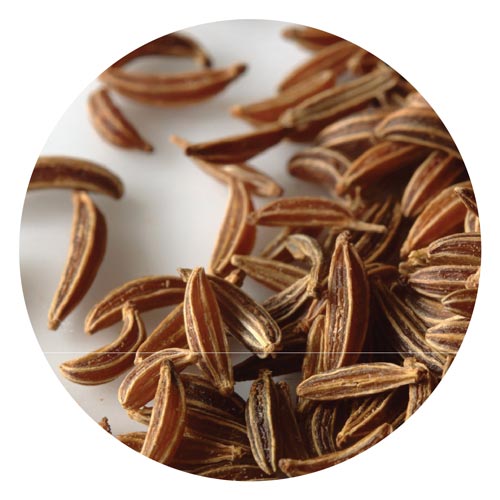
Caraway oil
may stimulate the production of digestive juices and support the balance of the intestinal microbiota.

Fennel oil
may help relieve bloating and intestinal cramps

Peppermint oil
thanks to its menthol content, may relax smooth muscles, alleviate spasms, and promote comfortable digestion.
Where to buy?
STOMPAX capsules are available in Hungarian pharmacies, herbal stores, organic and health food shops, as well as in their online stores.
They can also be purchased in Herbária and Bijó stores and via their online shops. Click on the logo to place your order quickly and conveniently.


Stomach and Digestive Complaints
Most foods contain components that can place a considerable burden on our digestive system, particularly certain spices used in food preparation, fats, as well as alcohol and coffee, which can significantly strain the stomach and intestines. This is especially true when consumed in excessive amounts, as overeating combined with reduced digestive secretion may lead to uncomfortable symptoms.
Digestive disorders often result from an unbalanced diet in terms of composition, quantity, and regularity. Eating too quickly or consuming excessively large portions can directly contribute to bloating, intestinal cramps, and the unpleasant sensation of fullness.
Digestion
After consumption, food embarks on a long journey through the body, taking on average about 24 hours to pass through the entire digestive tract. During digestion, food and beverages are broken down into smaller molecules, which are absorbed at different stages of the digestive system and transported via the bloodstream to nourish all cells of the body, providing essential energy and nutrients.
This process requires digestive juices and enzymes. However, gas formation in the intestines during digestion is a completely natural process.
Flatulence and Bloating
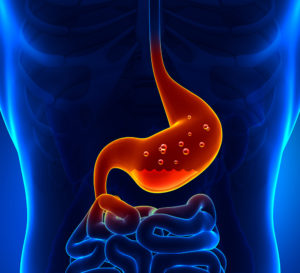
When we drink, we also swallow air. In addition, the consumption of many foods — such as yeast-containing bread, whipped cream, egg whites, and carbonated beverages — leads to the formation of carbon dioxide in the stomach.
Gases are also produced in the small and large intestines during the neutralization of stomach contents and the bacterial breakdown of nutrients (including dietary fibres from fruits and vegetables, as well as proteins from meat and eggs). These processes can generate large volumes of gas bubbles that cannot be eliminated naturally through the bloodstream.
The amount of gas your body produces and the discomfort it causes — particularly after heavy meals — can significantly affect overall digestive well-being.

Digestive discomforts
The digestive tract is not always able to immediately adapt to sudden dietary strain, changes in nutrient composition, or increased food intake. In many cases, sufficient digestive juices are not available immediately after eating, as time is required for adequate production.
In mild cases of digestive discomfort, medical intervention is usually not necessary. However, in the presence of recurrent symptoms, medical evaluation is recommended to rule out possible underlying gastrointestinal conditions.
STOMPAX – natural support for digestive comfort
Food supplements should not be used as a substitute for a balanced and varied diet or a healthy lifestyle.